Mobile Legends Skins That Changed the Game Forever
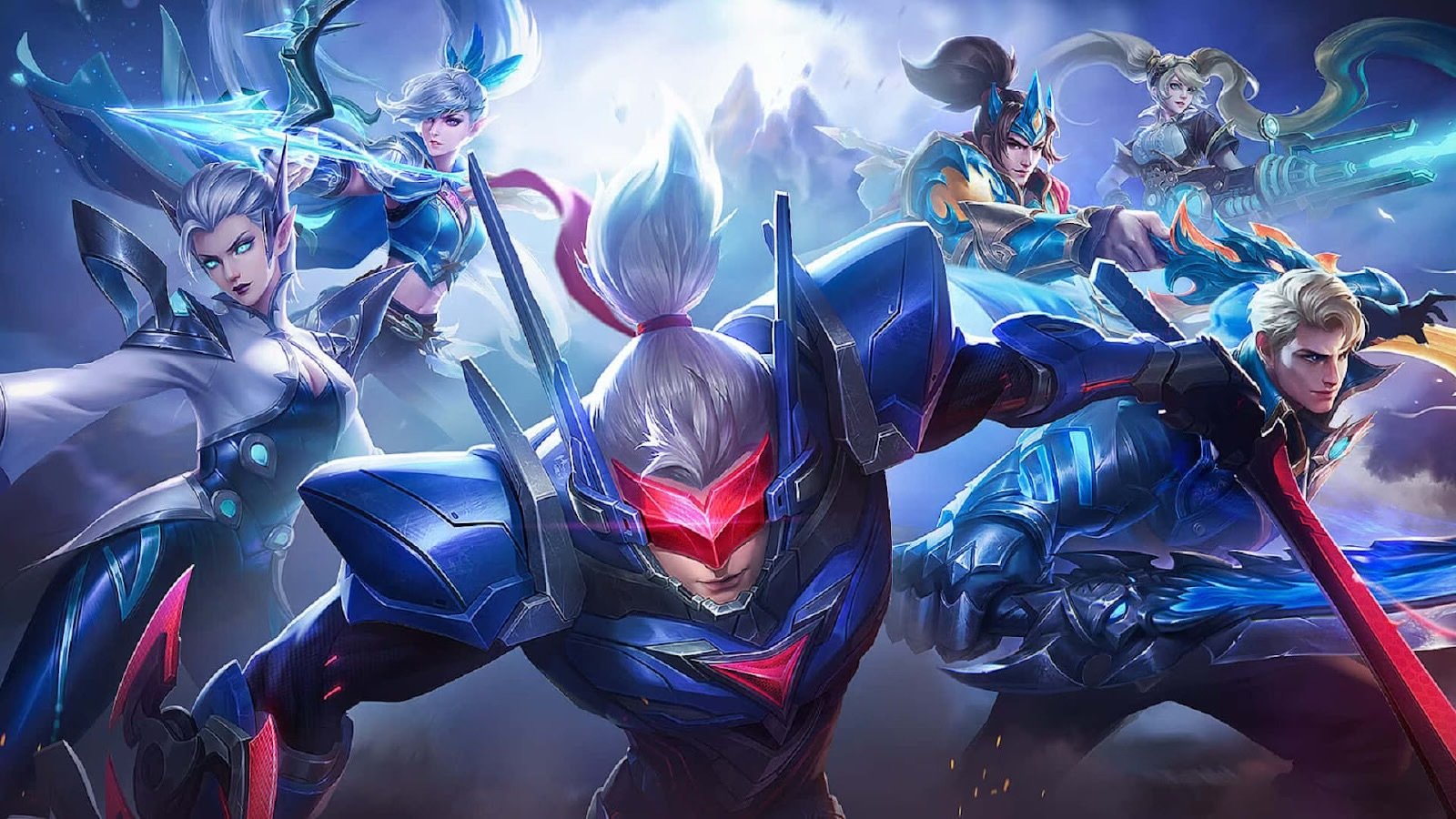
Remember when skins were just about changing your hero’s color scheme? Yeah, those days are long gone. Mobile Legends has completely flipped the script on what cosmetic items can do in a mobile game, and honestly, some releases have been so jaw-dropping that they’ve redefined player expectations across the entire mobile gaming industry.
When Everything Started Getting Serious
Look, nobody expected much when MLBB first started experimenting with premium cosmetics. Most of us figured we’d get some basic recolors, maybe a new outfit here and there. Boy, were we wrong. The developers had something way bigger in mind, and it showed when they dropped their first major skin lines.
The real wake-up call came with the Zodiac collection. Picture this: you’re scrolling through the shop, and suddenly there’s your main hero transformed into an astrological deity with custom animations that make every ability look like a cosmic event. Players literally couldn’t top up ML diamonds fast enough. These weren’t simple outfit swaps—every single skill got reimagined with particle effects that made your phone screen light up like a fireworks show. Voice lines got recorded specifically for each zodiac sign, bringing personality traits into the game that actually matched the astrological descriptions.
That’s when everyone realized Moonton wasn’t playing around. They were building something special.
The Collector Craze That Took Over
Here’s where things got interesting. Collector skins entered the scene and basically created their own economy within the game. Gusion’s Viper skin dropped and the community absolutely lost it. People were recording gameplay just to watch the animations in slow motion. The smoothness, the details, the way his daggers moved—it felt like watching a console game compressed into your mobile screen.
But there’s something deeper happening with these ultra-rare releases. When you see someone rocking a Collector skin in ranked, there’s this immediate psychological shift. Your teammates feel more confident. Opponents get a little more cautious. It’s not just about looking good anymore—these skins carry weight. They signal dedication, skill, and yeah, a willingness to invest in the game you love.
Stories Worth Telling
Legend skins brought narrative depth nobody asked for but everyone needed. Take Zilong’s Glorious General or Lesley’s Dangerous Laison. These releases proved that cosmetics could actually expand the lore of Mobile Legends. Each Legend skin presents an alternate reality version of the hero, complete with backstory elements woven into their design.
The production quality jumped into another stratosphere. We’re talking animated hero selection screens, lobby effects that change the entire atmosphere, and sound design that rivals AAA titles. Smart players started watching for announcements and using services like LootBar to make sure they could top up ML resources without missing limited-time windows. Because let’s be real—watching these skins come and go without grabbing one feels like missing out on gaming history.
When Hollywood Came Knocking
Collaboration skins broke every rule in the book. Mobile Legends started partnering with entertainment giants, and suddenly your favorite heroes were crossing over with Transformers, Star Wars, and Marvel characters. This wasn’t just slapping a different texture on existing models—these were complete overhauls that required serious development work.
Johnson’s Optimus Prime transformation remains one of the most technically impressive things in mobile gaming. Watching a MOBA character literally transform mid-game into a legendary Autobot shouldn’t work, but it absolutely does. The Star Wars and Marvel collabs brought cinematic quality cutscenes and effects that made you double-check you were still playing a mobile game.
These partnerships did something crucial: they legitimized mobile gaming in mainstream entertainment circles. Suddenly, Mobile Legends wasn’t just another phone game—it was a platform worthy of Hollywood-level IP collaborations.
The K-Pop Revolution
Nothing—and I mean nothing—prepared the gaming world for what K-Pop skins would do to Mobile Legends. When BLACKPINK skins launched, the internet basically exploded. Gaming influencers covered it. K-Pop fans who’d never touched a MOBA downloaded the game. Social media feeds flooded with screenshots and gameplay clips.
These musical collaborations transcended traditional gaming boundaries. You got full music videos, choreographed dances integrated into recall animations, and styling that matched actual K-Pop aesthetics. Mobile Legends tapped into a massive cultural movement and proved that gaming skins could be genuine cultural events rather than simple in-game purchases.
The crossover appeal brought entirely new demographics into the Land of Dawn, expanding the community in ways traditional marketing never could.
Pushing Technical Boundaries
Some skin releases have genuinely pushed mobile hardware to its limits. Dynamic weather systems, real-time lighting that shifts based on in-game time, fabric physics that respond to character movement—these features started appearing in Epic and Legend tier skins, showcasing what modern smartphones could actually handle.
The Starlight membership system completely changed how players access exclusive content. Monthly subscriptions offering guaranteed skins created a reliable way for committed players to expand their collections while supporting ongoing development. This model’s success has influenced subscription strategies across the entire mobile gaming sector.
The Community Gets a Seat at the Table
Here’s something that genuinely matters: Moonton actually listens. Fan-requested heroes get priority for new skins. Community design contests have resulted in actual in-game releases, giving talented artists worldwide a chance to see their creations come to life in a game with millions of active players.
This collaborative relationship creates something special. Players aren’t just consumers—they’re creative partners in the game’s evolution. When you see a skin that started as someone’s contest entry, it hits different. It’s proof that player voices genuinely shape Mobile Legends’ direction.
The Real Value Question
Let’s talk economics for a second. Yes, skins cost money. But they’ve funded the continuous updates, balance patches, new heroes, and server maintenance that keep Mobile Legends running smoothly. The skin economy isn’t just about cosmetics—it’s the engine driving constant improvement.
Players have gotten smarter about managing their investments too. Platforms like LootBar have made the top-up process more straightforward, helping players participate in time-limited events without jumping through hoops. When you know you can reliably access the resources you need, engaging with new skin releases becomes less stressful and more enjoyable.
What’s Coming Next
Mobile Legends shows no signs of slowing down. Each new skin release seems to raise the bar higher than anyone thought possible. With emerging tech like AR integration being tested in other games and AI potentially enabling personalized customization options, the future looks wild.
The skins that transformed Mobile Legends weren’t just digital merchandise—they were declarations that mobile gaming deserves the same production values, artistic vision, and creative ambition as any other gaming platform. They’ve turned MLBB into more than a MOBA—it’s become a canvas for artistic expression, a meeting ground for different entertainment cultures, and a proof of concept that mobile games can deliver experiences rivaling anything on PC or console.